
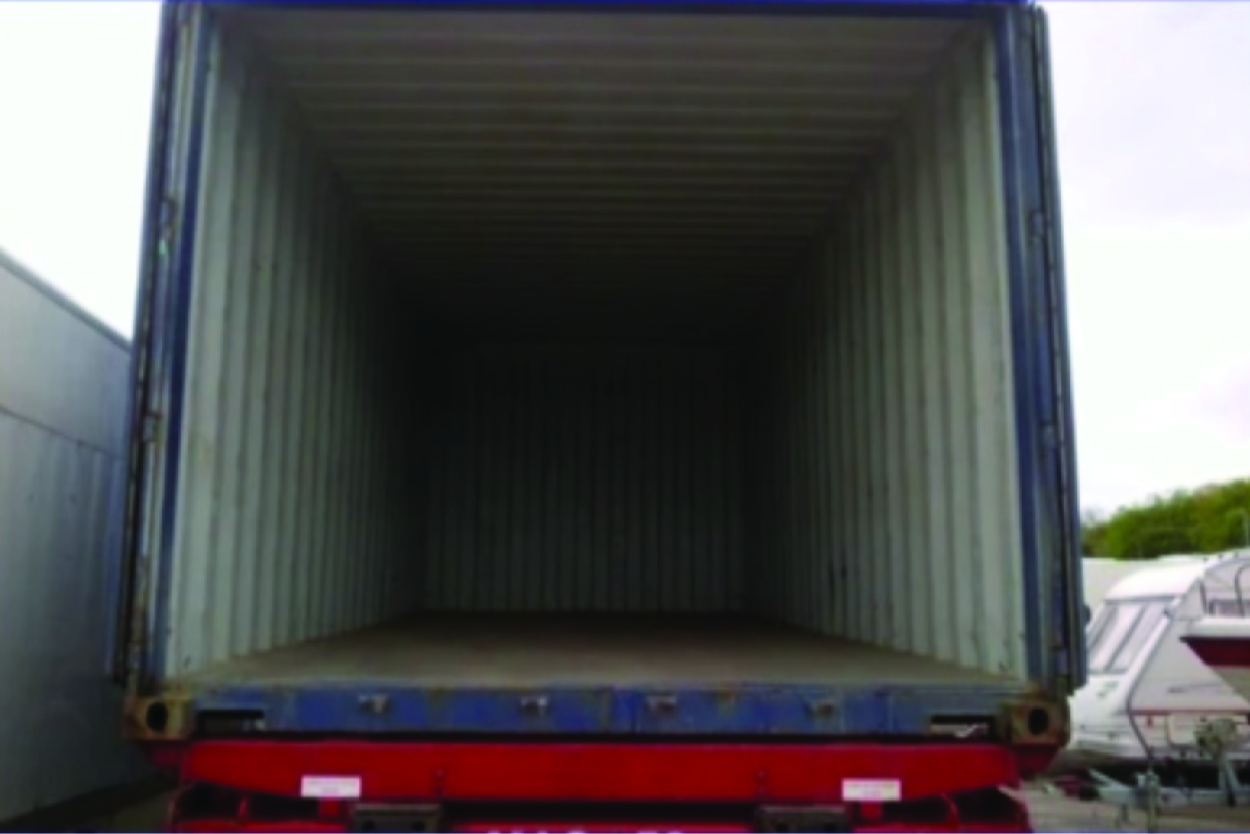
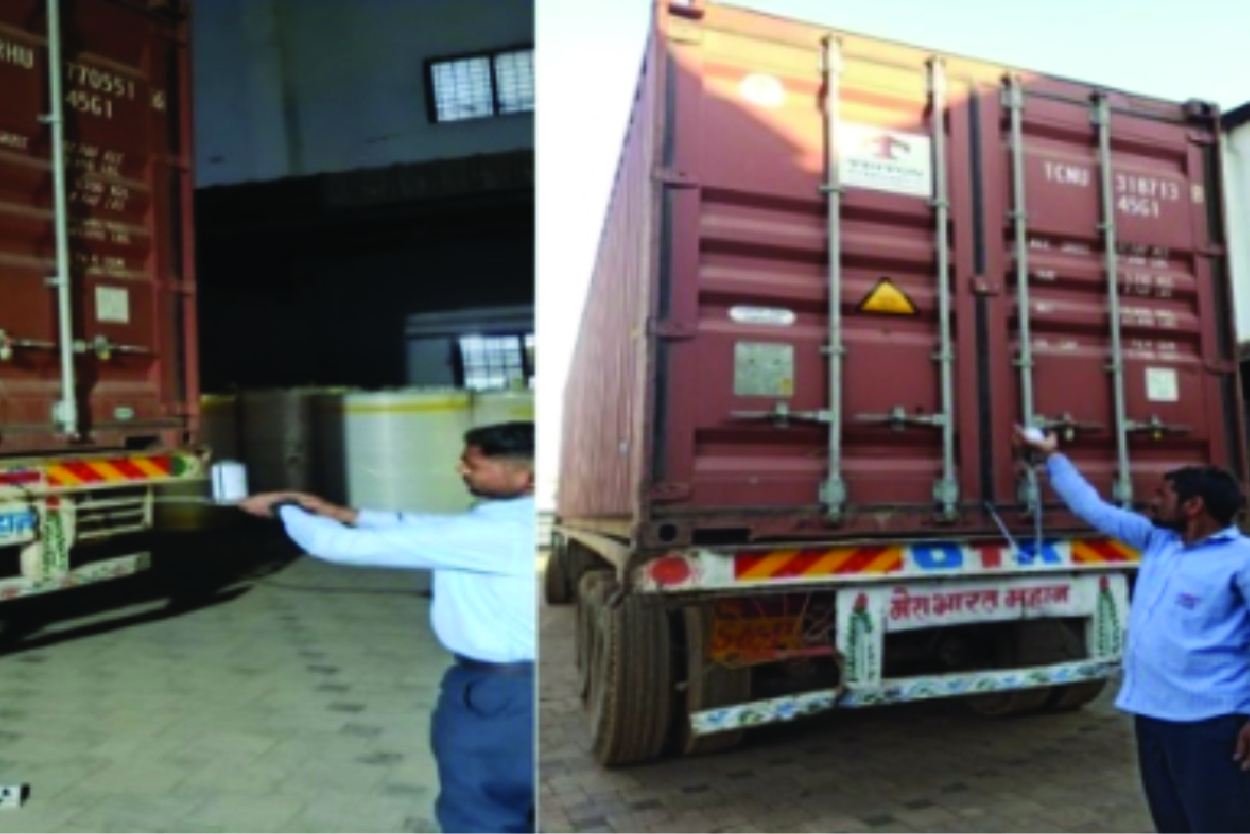
Container fumigation is a critical quarantine and biosecurity process used to prevent the spread of pests and diseases through international and domestic trade. It involves treating either the cargo inside a shipping container or the empty container itself to eliminate insects, larvae, or other harmful organisms that could enter or exit a country or state. This process helps protect agriculture, ecosystems, and public health while ensuring compliance with import and export regulations.
In practice, container fumigation is carried out by tightly sealing the shipping container and introducing an approved fumigant gas. The container remains closed for a specified exposure period to allow the gas to effectively eradicate pests. Afterward, the container is safely ventilated to remove residual gas before transportation or unloading. This treatment ensures that goods are safe, pest-free, and suitable for trade.
Container Fumigation FAQ
Container fumigation is a process used to eliminate pests, insects, and harmful organisms from cargo or empty shipping containers using approved fumigant gases.
It is required to prevent the spread of pests and diseases across borders, protect agriculture and the environment, and meet quarantine and customs regulations.
Both loaded containers (with goods) and empty containers may require fumigation, depending on the cargo type, destination country regulations, or signs of infestation.
The process typically takes several hours to a few days, depending on the fumigant used, container size, and required exposure time.
Yes, when performed by certified professionals following safety standards. Containers are properly ventilated after treatment to ensure they are safe for handling and transport.